


A stepping stone between two pivotal design era’s, the Ambassador Class was introduced by the 2320’s as a replacement for the Excelsior and Constellation lines before being itself replaced with the larger and more adaptable Galaxy Class. Constructed during a time of cautious optimism in the decades following the original Khitomer conference and relative silence from the Romulan Empire. Strong and sturdy in it’s nature, the Ambassador line were installed as a key front line heavy cruiser as a deterrent against enemies of the Federation to take advantage of the relative peace of the early 24th century.

Traditional in it’s layout, the design process was more drawn out than most and included several variations in style and layout before a more solid and simple base was produced for the final model which included a traditional secondary hull linking back to the Constitution Class designs, and some modern aspects including the L-Shaped warp nacelle pylons.
Internally the layout would take design cues from the 2270’s with it’s aluminium panelled core internal design throughout; a feature that would continue nearly unchanged for most of the century. The command centre, while adaptable, primarily used stripped down versions of the layout designed for the same 2270’s era consisting of a tight enclosed bright with central flight and command stations. A simplified internal layout would see a more streamlined series of surrounding stations, ranging from three to five additional controls to the rear of the Captains Chair.
The prototype, USS Ambassador, was given it’s test flight near the Tzenkethi border in 2319 not just to trial the new internal systems and iron out design flaws, but to remind their volatile neighbours of Starfleet’s strength and resilience. Within five years since that original test, at least five Ambassador Class Ships were in service with the most famed being, of course, the USS Enterprise.
Under the command of Rachel Garrett, The Enterprise flew the flag of Starfleet until answering a distress call from a Klingon colony at Narendra III. Fending off four Romulan Warbirds, the Enterprise would eventually lose the battle, but it’s destruction and the loss of the entire crew in answer to what was still seen as the enemy would lead to a more solidified and lasting peace between the Federation and the Klingon Empire.
After four decades of being the front line defender of the Federation, the Ambassador Class was succeeded by the Galaxy; a larger, more exploration focused design that could accommodate civilians and comforts for extremely long voyages and operate independently from the rest of the fleet with limited or no support. The Ambassador Class would still continue in support roles including a fresh line of productions serving into the Dominion War

Original concept artwork for what would become the Ambassador Class was originated by Andrew Probert. With The Next Generation jumping ahead almost a century, the ships between the A and D were conceptualised as the B being an Excelsior – later introduced in Generations – and the C being an intermediate step in design between the two. When it came to introducing the C in Yesterdays Enterprise, the design of the ship began to change….
For most ships that carry the name Enterprise, there’s a long and detailed design process. For the studio model of the Enterprise-C, there was simply the same production time as everything else in a weekly format. Charged with the task, artist Rick Sternbach had to make some changes to meet the turnaround time needed to get the Enterprise-C on screen. Using Proberts painting as a base, Sternbach’s first major changes were to the elliptical saucer and hull knowing that model maker Greg Jein would have a far easier time in building the physical model with a shape and sstyle that was easier and faster to build.
With the works of Jein and Sternbach, the Enterprise-C made it on screen with a simple detail that worked for the angles planned for filming. A second Ambassador Class model was made with further modifications to the design, primarily changing the shuttle bay, adding caps to the warp nacelles and more detail around the saucer section. The second model would be used well into Deep Space Nine before being retired.
The original design did however live on. The Ships of the Line calendar would feature variations of the design with Dan Uyeno adding more Excelsior-style details while Tobias Richter would reconstruct the ship imagined by Proberts original painting. Star Trek Online would add Proberts design as a sub-class of the Ambassador line; the Narendra Class.
New Captains within Q2 can opt for both the original Ambassador or the sub-class Narendra as options when applying to join the Captains Table. You can find out more at out Starship Recognition Guide, or New Unit Application.


About the author

[Retro Review] Dagger Of The Mind
Dropping by a penal colony focused on rehabilitating the criminally insane, the Enterprise beams down some much needed supplies while one of the inmates sneaks on board to beg for asylum. But it's no regular stowaway. Dr Simon Van Gelder used to be part of the staff before he began to lose his mind and he's not just afraid of having dodgy meals and no windows, but reveals to Kirk that the facility runs through torture and abuse. Van Gelder arrived broken. His memories scattered, and any glimpse of those memories would trigger a painful and violent reaction. The colony's lead scientist and essentially warden, Dr Tristan Adams, waves it off claiming Van Gelder's techniques were tested on himself and that the rest of his story was delusional ramblings. Not entirely convinced, and given a heavy nudge by McCoy, Kirk […]
[Treknology] Shields Up! Red Alert!
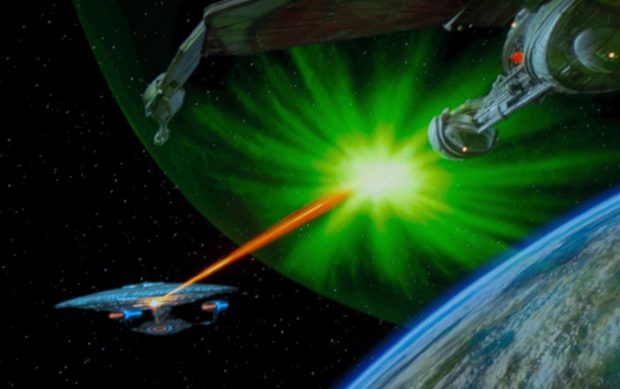
Different writers, directors and plot points paint Starfleet as multiple and occasionally conflicting things. Both a military and exploratory force, there's many layers to the fleet and how it operates. Handling everything from border defence to mapping unknown territories, even the most mundane mission in peace time can be a risky one. Especially as not every new person you meet will want a cup of tea and a chat, and accidentally dropping into someone's back garden doesn't always go down well.So when the shooting starts, you have to be ready to defend yourself, and in a world of weaponry that could burn an entire planet into ashes, sticking some armour on your hull just isn't going to cut it. One of the most vital systems always ready on stand by, deflector shields help to keep a ship and it's crew […]
Behind the Viewscreen: Gene L Coon
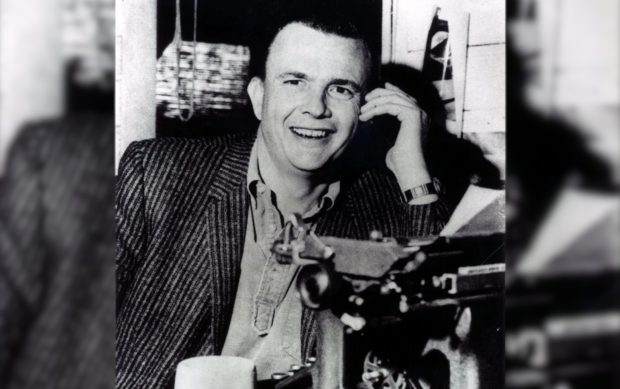
As it's creator, the name Gene Roddenberry is part of the Star Trek legend. But when it came to shaping what the show was, and forming it's foundations, there was another Gene behind the scenes who help build on and refine the shows concepts into the world we know today. Originally brought into the fold in August 1966, Coon was hired to handle day to day production and script revisions during the shows first season, with his first credit appearing on the first seasons eighth episode, Miri. Beyond that day to day production, as well as his creative relationship with Roddenberry, Coon's efforts would help shape the shows identity, helping to form it's unique blend of science fiction, drama and political commentary and in shaping the shows moral compass that would be a keystone of the Star Trek experience. Giving […]

Across The Universe: A Trio of Spocks, 60th Anniversary Goodies and More!
Celebrating 60 years of Star Trek, our September News recap spotlights new goodies for fans to mark the landmark year, new missions for STO fans, and more! Spocktember in Star Trek Online Long running MMO Star Trek Online joined in the anniversary fun by bringing back a legendary character to their September release. On it's original launch STO utilised the vocal talents of Leonard Nimoy as he introduced players to the wider galaxy. In the latest release, archived dialogue from Nimoy has been used to bring Spock back into the new ongoing story.https://youtu.be/Da9UohgplIg?si=pAtm5D1bTSIXxREOAlongside Piotr Michael, who voiced Spock in Star Trek Resurgence, adding new lines as his version of Spock, and introducing Strange New Worlds star Ethan Peck in his own version of the character, all three era's of the iconic Vulcan come together thanks to the Guardian of Forever. […]
[For The Uniform] Generational Upgrade: 2350’s-2370’s
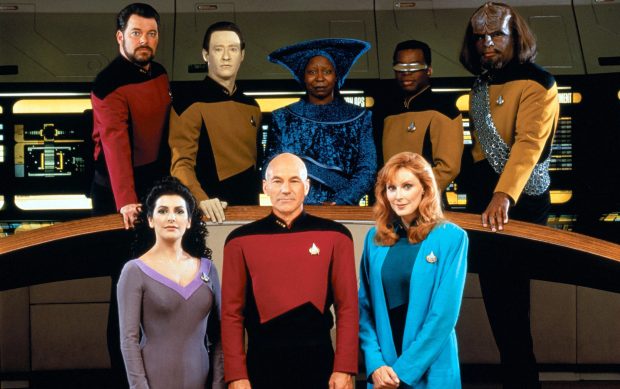
After solidifying a formal military style with stiff dark reds and heavy duty fabrics through the latter half of the 23rd century, the 'Monster Maroons' defined Starfleet as a more serious, more robust organisation. With minor tweaks the look stayed strong for almost 80 years when suddenly Starfleet decided they needed a dramatic change. It's not uncommon. Starfleet goes through uniforms faster, and in more rapid evolutions than any other organisation in history.Maybe it's because of the constant evolution of the Federation? Bringing in new members, new styles, new sensibilities and adapting to their needs. Maybe the MonsterMaroonians joined the Federation and would only absorb their navies into Starfleet if they adapted to their style, and it took eighty years for another species to come in and make fashion related demands. Maybe a new Admiral became Commander in Chief and […]
[Treknology] Clearing The Way: The Deflector
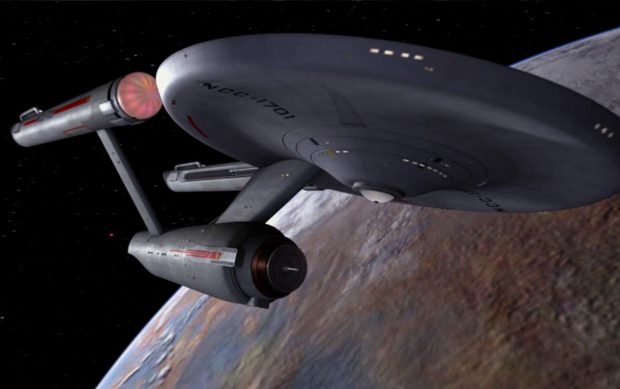
Over the decades the technologies of Star Trek have become so popularised and well known that even someone who's never seen an episode knows what a phaser is, or that warp drive goes really, really fast. Even if someone couldn't tell you what a transporter does, “Beam Me Up” is still a phrase you can say and people will just know what it means.But when you look at ships like the Enterprise, there's one big feature built into every design since that might not be as well known as the saucer, the bridge or the glowing warp nacelles, but is one of the most vital parts of any and all starships flying from planet to planet. When you think of space, you imagine this big empty void of nothingness. But while there is a huge expanse of distance between locations […]
Related

[Ships of the Line] The Galaxy Class
The peak of mid-24th century design, the Galaxy Class was one of the fleet's most iconic capitol ships that inspired a whole new generation of Starfleet. Built for longevity, the Galaxy was conceived as a deep space exploration cruiser that was not only an adaptable megastructure of science and research, but one that was entirely self sustainable whilst giving it's crew all the creature comforts they need for years, or even decades, without having to turn back home. The key to the Galaxy Class' success was in large part down to it's modular design. It's vast internal space, mainly within the ships primary hull, was designed with extreme flexibility in mind to the point that some ships, including the flagship Enterprise, were launched with around a third of it's internal volume vacant for later improvements or mission specific adaption. Deck […]

[Ships of the Line] Send ‘nubes! The Danube Class Runabout
The world of Star Trek is filled with graceful and elegant ships, huge forces of nature packed to the rafters with a bustling crew with every skill imaginable under one roof for any situation. But not all of the fleet's numbers are massive hulks ready for adventure. Sometimes you just need a little runner to get you from one place to another for missions that might last a few weeks more than a few years. Put into action in the late 2360's, the Danube Class Runabout was ideal for short term missions or teams that needed more than a cramped and empty transport shuttle to get the job done. At at least four or five times the size of a standard shuttlecraft, the Danube class was a step up from the range of short-range craft. Designed as a tightly condensed […]

[Ships of the Line] The Pathfinder
Building upon the discoveries and experiences of Voyager's unplanned trip through the Delta Quadrant, the Pathfinder class is the first line of starships designed specifically for the Delta Quadrant. Less a replacement for the Intrepid and more of a specialised offshoot, the Pathfinder was conceived for a return to the Delta Quadrant with a ship and crew prepared for what to expect. [Image Note: Pathfinder Class model by Thomas Marrone. Screencap taken in Star Trek Online with Sovereign Refit Livery.] After being stranded in the Delta Quadrant, the USS Voyager returned to Earth in 2378 with a little intervention from their future selves, Borg transwarp conduits and enough technology from the future that would drive Temporal Investigations to insanity. Between the new technologies brought in by Admiral Janeway to the discoveries and modifications applied to the ship throughout it's isolated […]

[Ships of the Line] Dauntless Class (2380’s)
In 2374 the crew of Voyager, stranded in the Delta Quadrant were given a life line; an advanced Starship complete with slipstream drive that would reduce the time of their journey back to Earth form decades to months. Appearing alongside an introduction form Starfleet, the Dauntless appeared to be the next step of Starship evolution. Until they realised it was all a lie – an alien ship dressed up as a Federation ship in a revenge plot that would have led the all to their deaths. Despite the truth being revealed, Voyager's crew had extensively studied the Dauntless and would later try and apply some of the research in an abandoned mission. Once they did return home, thanks to the Borg transwarp network, the Dauntless research was handed over to Starfleets R&D division to reverse engineer their findings and create […]

Relay Recap: July 2024
All Features Universe Categories Fleet Alert Comms GORN GIRL recap; july 2025 Picking up on the Season 2 cliff-hanger, Strange New Worlds returned to our screens this month to find Captain Pike and his crew on the edge of war with the Gorn as Season 3 was finally released!Exploring new worlds and new problems, the Enterprise crew are back in action on Paramount Plus and we're keeping ourselves up to date with weekly episode discussion threads on our FB Continuing Mission Group & Weekly episode reviews from Admin ! Explore... Episode Reviews Spoilers Group ACROSS THE UNIVERSE As we look back on Pike's adventures on the Enterprise in the prequel series, Paramount also gave us a look at whats to come next as Entertainment Weekly and SDCC's Star Trek Universe panel gave us a sneak peek at the reopening of […]

[Ships of the Line] The Excelsior II
When it comes to exploring the final frontier, Starfleet has been widely experimental in it's design philosophy and thanks to a galaxy rich with resources – and possibly, yeah, overcoming capitalist ideals – is never shy on supplies to try out new ideas or unload a whole new line of ships for specific mission types or general experimentation. Still, while designs and ideas rotate on a regular basis to bring the specialist ships such as the Protostar or Defiant Classes, the core fleet is always held together with standard builds that can last for decades. In approaching a rebuild of the fleet to incorporate new ideas, new technologies, and new lessons learned from an ever increasing range of new and more powerful enemies to Federation ideals, Starfleet's engineers sometimes go back to the well and lean on old classics that […]

