
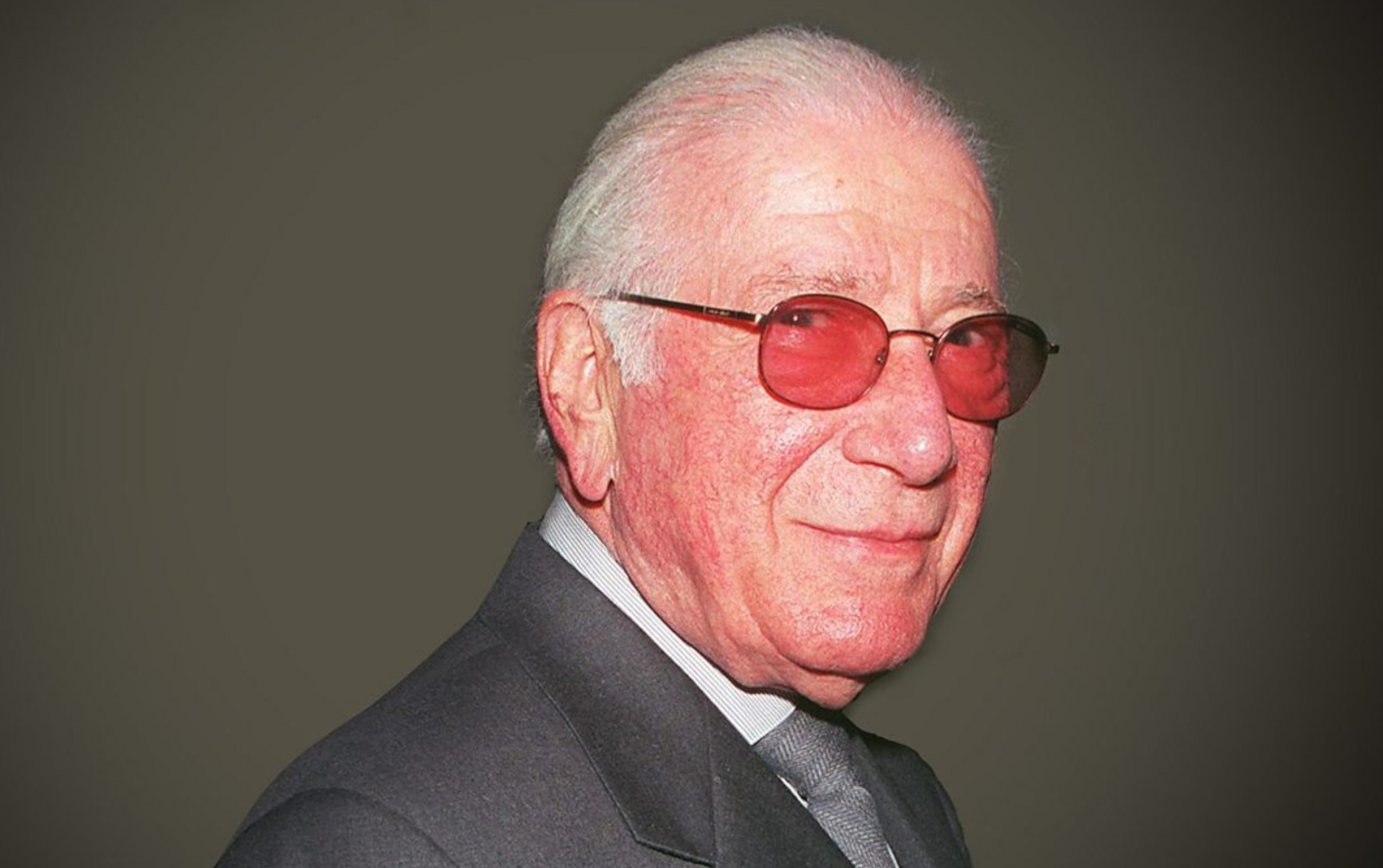


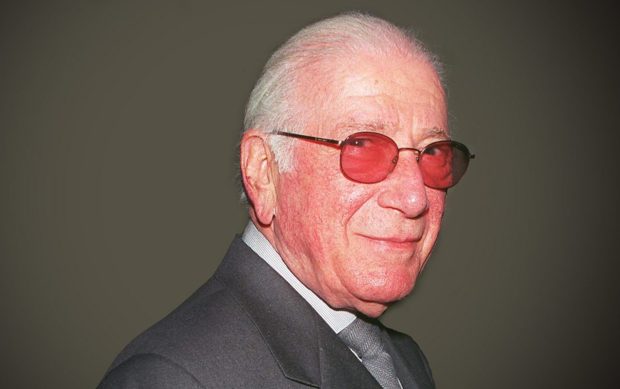
Across a long career writing music for some of Hollywoods most celebrated films, Jerry Goldsmith’s mark can be heard in a huge range of genre’s from The Omen, to LA Confidential, from Patton to Planet of the Apes. But even when it comes to his science fiction scores including Alien and Total Recall, none have left as iconic a mark as his contributions to Star Trek.
During the reinvention of Star Trek for cinema, director Robert Wise knew the challenge. Turn a small sci fi show into a cinematic epic. The success of that has often came up for debate, but no matter the opinion on the Motion Picture, the one celebrated element was the music Goldsmith delivered and the new template he build for the sound of Star Trek.
Blending classic orchestra with electronic synthesizers and complex rhythmic patterns, Goldsmith’s score elevated every aspect of the film, from the simplistic mystery and wonder of the V’Ger themes, to adding a theme for the Klingon’s that would carry on through the entire series. His music offered an emotional depth that perfectly complimented the ambitious visuals and more serious tones of the Enterprise’s new adventures. Though for all the new music added, one piece in particular would become a thing of legend in it’s own right.
Continuing for Generations: WDR Funkhausorchester Arrangement from 2024.
Opening with an overture before the credits, which had become a rarity following the golden age of cinema – and only featured in a dozen Hollywood films since – Goldsmith sets the tone of the film with a slow, wondrous melody before the credits begin with a triumphant brass composition that instantly leaves an impression. So much of an impression that the score was tweaked slightly and re-used a decade later to become the title theme of the Next Generation and remains one of the most sophisticated and complex science fiction scores ever composed.
Its soaring melody immediately conveys optimism, exploration, and limitless possibility. Rich orchestral textures, majestic brass fanfares, shimmering electronic sounds, and memorable themes gave the film, and in turn The Next Generation, an emotional depth that perfectly complemented Star Trek’s optimistic wonder.
Known ad heralded for pushing musical boundaries, Goldsmith would return for The Final Frontier and score three of the four Next Generation films including the slower and more melodic score for First Contact where his title theme would again be re-utilised as the end credits for Picard’s third season.
Scoring more than 170 productions in his career, Star Trek was just a small part of his contributions to film. Having gained his start studying music and working in television in the 1950’s, Goldsmith would gain multiple Academy Award nominations, including taking home the award for his work in The Omen in 1976, would win five Emmy Awards be nominated for the Golden Globes countless times.
Goldsmith passed away aged 74 in July 2004 with his final works being completed the previous year including Timelines and Looney Tunes Back In Action. Though thanks to his incredible contribution to film, his work lives on to this day from his legendary back catalogue to the Universal Studio’s theme you’ll have heard countless times.
Goldsmith’s music gave emotional weight to stories that continue to captivate generations of fans from Star Trek and beyond.


About the author
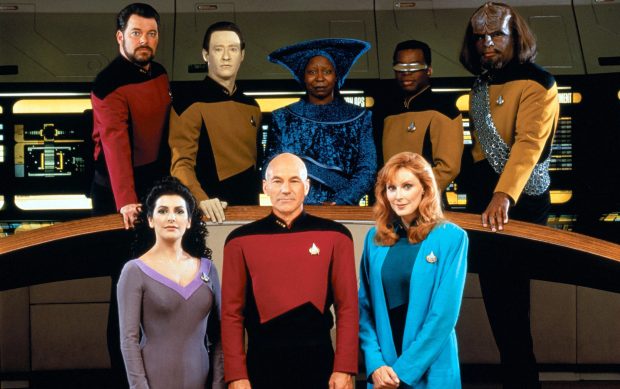
[For The Uniform] Generational Upgrade: 2350’s-2370’s
After solidifying a formal military style with stiff dark reds and heavy duty fabrics through the latter half of the 23rd century, the 'Monster Maroons' defined Starfleet as a more serious, more robust organisation. With minor tweaks the look stayed strong for almost 80 years when suddenly Starfleet decided they needed a dramatic change. It's not uncommon. Starfleet goes through uniforms faster, and in more rapid evolutions than any other organisation in history.Maybe it's because of the constant evolution of the Federation? Bringing in new members, new styles, new sensibilities and adapting to their needs. Maybe the MonsterMaroonians joined the Federation and would only absorb their navies into Starfleet if they adapted to their style, and it took eighty years for another species to come in and make fashion related demands. Maybe a new Admiral became Commander in Chief and […]
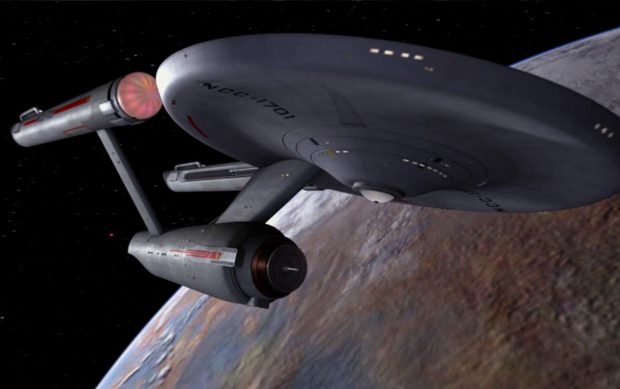
[Treknology] Clearing The Way: The Deflector
Over the decades the technologies of Star Trek have become so popularised and well known that even someone who's never seen an episode knows what a phaser is, or that warp drive goes really, really fast. Even if someone couldn't tell you what a transporter does, “Beam Me Up” is still a phrase you can say and people will just know what it means.But when you look at ships like the Enterprise, there's one big feature built into every design since that might not be as well known as the saucer, the bridge or the glowing warp nacelles, but is one of the most vital parts of any and all starships flying from planet to planet. When you think of space, you imagine this big empty void of nothingness. But while there is a huge expanse of distance between locations […]
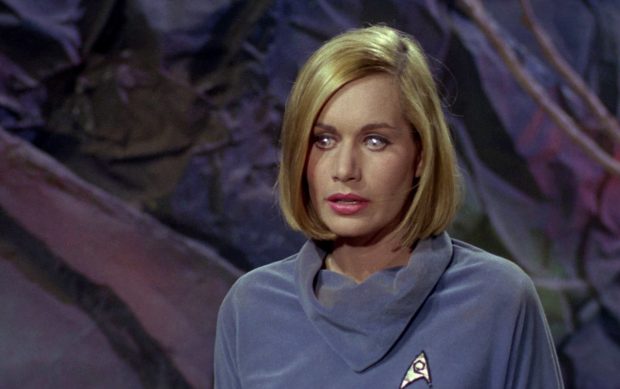
Them From That Thing: Sally Kellerman
Building an eclectic career with over sixty years in film, television, music and theatre, Sally Kellerman is fondly remembered by a whole generation as the original Hotlips Houlihan in the film adaption of MASH. Her part in the world of Star Trek helped introduce the world to the little sci fi show that began it's own franchise of entertainment. Starting her acting career in the late 50's after turning down a contract with Verve Records, Kellerman was a familiar face on television by the time Star Trek came around. With appearances on Bonanza, The Alfred Hitchcock Hour and the Twilight Zone among others, Kellerman was able to gain a wide range of experience that helped establish an adaptability that would carry her career forward in playing anything from a glamorous and sophisticated character, to intense and eccentric parts. Kellerman’s appearance […]
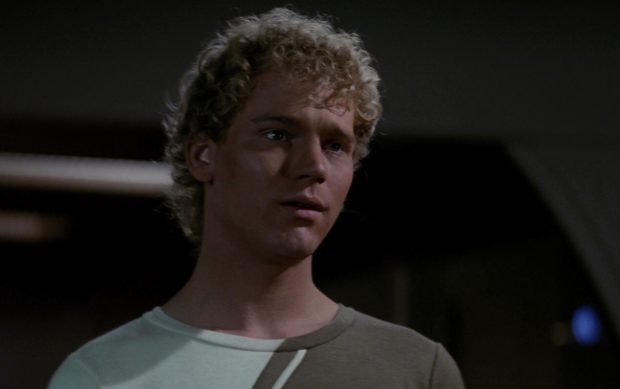
Who is David Marcus?
While the original series brought the idea of Star Trek to life, it's film sequels did a lot to flesh out and develop the characters in the next era of their life, with new characters coming on board the Enterprise to both challenge the leading crew and give us a new perspective of the world saving heroes of the Federation. One of the most impactful appeared in only two of the six films, but left a lasting impression on Captain James T Kirk... Working with his mother Carol, David Marcus was one of the lead scientists on the Genesis project. Based on a remote space station, David's part in the project was both what helped it succeed, as well as cause it's downfall. Genesis was an experimental, and highly secret, project to terraform barren planets and manufacture life. While Starfleet […]
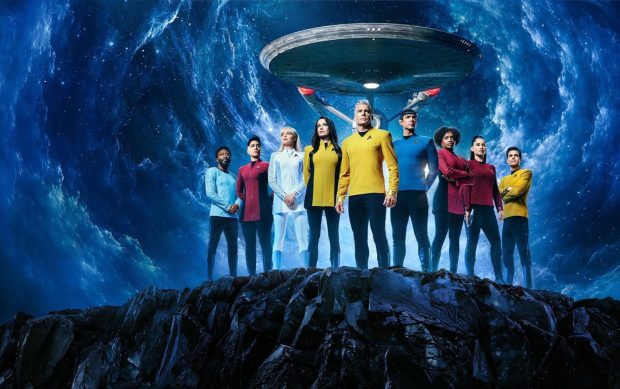
Across The Universe And Back To Strange New Worlds!
Time has certainly flown by as Strange New Worlds penultimate season is just days away. Things have been a little guarded since the show was announced to be ending with a shortened 5th season, but it gave the production plenty of warning to wrap things up and bring an end to the original Captain and his crew! With some cast announcements for Season 5 seeing new additions including Thomas Jane as Leonard McCoy, as well as knowing it'll a shorter season to bring the show to a close, the fourth instalment feels a little bittersweet. But from recent hype from Paramount, we might just be in for a fun time. Season 4 Episode Titles Ahead of the series launch, the Star Trek social media team have been hard at work with some teases including short clips of each of the […]
Behind the Viewscreen: Jerry Goldsmith
Across a long career writing music for some of Hollywoods most celebrated films, Jerry Goldsmith's mark can be heard in a huge range of genre's from The Omen, to LA Confidential, from Patton to Planet of the Apes. But even when it comes to his science fiction scores including Alien and Total Recall, none have left as iconic a mark as his contributions to Star Trek. During the reinvention of Star Trek for cinema, director Robert Wise knew the challenge. Turn a small sci fi show into a cinematic epic. The success of that has often came up for debate, but no matter the opinion on the Motion Picture, the one celebrated element was the music Goldsmith delivered and the new template he build for the sound of Star Trek. Blending classic orchestra with electronic synthesizers and complex rhythmic patterns, […]
Related
Them From That Thing: Sally Kellerman
Building an eclectic career with over sixty years in film, television, music and theatre, Sally Kellerman is fondly remembered by a whole generation as the original Hotlips Houlihan in the film adaption of MASH. Her part in the world of Star Trek helped introduce the world to the little sci fi show that began it's own franchise of entertainment. Starting her acting career in the late 50's after turning down a contract with Verve Records, Kellerman was a familiar face on television by the time Star Trek came around. With appearances on Bonanza, The Alfred Hitchcock Hour and the Twilight Zone among others, Kellerman was able to gain a wide range of experience that helped establish an adaptability that would carry her career forward in playing anything from a glamorous and sophisticated character, to intense and eccentric parts. Kellerman’s appearance […]

Inside Trek/Outside Trek: Colm Meaney
To the entire Star Trek Universe, Colm Meaney will forever be remembered as The Chief. Making his first appearance in The Next Generations pilot as a background character, Meaney soon found himself in the rotating guest cast for the Next Generation as the character O'Brien was fleshed out and used to bridge the next spin off when he became part of the core cast of Deep Space Nine. Becoming a favourite as the mild mannered transporter chief, O'Brien solidified his place in Star Trek history in Deep Space Nine thanks to Meaney bringing a grounded, working-class style into the collection of officers and diplomats around him, kicking and cursing at broken down equipment in DS9's pilot episode and continuing to bring the most human character as a father, husband, mentor and overworked fixer of all things. Beyond Star Trek, […]

That Guy From That Thing: Harris Yulin
Among the many acclaimed guest appearances from all corners of the Star Trek Universe, there are only a small few who gave as deep a performance as Harris Yulin in his sole appearance in the franchise. Taking the spotlight as Aamin Marritza in Deep Space Nine's first season episode Duet, a Cardassian civilian who arrives at Deep Space Nine and raises a massive red flag for Kira when she learns he has a condition that links him to a brutal mining camp that many Bajorans suffered through during the occupation. Yulin is an actor who you may not recognise by name, but you always recognise. Having made his name in the New York theatre scene in the 60's, he quickly established himself as a serious dramatic talent with an incredible command of language, subtly and presence before he'd ever step […]

[Inside Trek] Behind the Viewscreen: Robert H Justman
It takes an army to bring a TV show to life, especially one creating it's own world to explore in and more often than not the people behind the scenes are often unsung heroes despite being key to the creation of an iconic a legacy as Star Trek. Robert Justman was one of the many responsible to shaping the Star Trek Universe, particularly in it's early days, and was one of the most influential producers in helping form the original series. Staring his career in technical and production roles, Justman learned the ropes in the 1950's as television in the US would go from a rare luxury to a household staple throughout the decade. Building his skills and reputation as assistant director and production manager on a variety of styles, Justman gained a reputation for being highly unorganised and keeping […]

Inside Trek/Outside Trek: Robert Picardo
The Doctor was a character designed as a stop-gap, a temporary solution in a crisis who would end up developing beyond his limited programming to serve as the only doctor on board the USS Voyager for it's seven years lost in the Delta Quadrant. It seems fitting that the man behind the emitter, Robert Picardo, has since become a larger part of the Star Trek Universe than he ever thought he'd be. Now starring as a main feature on Starfleet Academy, his second live action role, Picardo's Doctor was also a prominent part of both seasons of Star Trek Prodigy and has even man aged to squeeze in appearances as another EMH on board the Enterprise E in First Contact, and as holographic engineer Lewis Zimmerman in Deep Space Nine as well as bringing the character to expanded media including […]

[Inside Trek] Behind the Viewscreen: Remembering Louise Fletcher
One of Deep Space Nine's biggest strengths was it's incredibly diverse cast of characters, from Starfleet heroes and freedom fighters, to Cardassian spies and the ever devious Dominion. The series was spoiled for the level of skill and talent involved. Especially when it came to one small recurring part who became one of the most unforgettable villians of the series brought to life by Academy Award–winner Louise Fletcher. Known to most of the world as Nurse Ratched, the tormentor of Jack Nicholson in One Flew Over the Cuckoo’s Nest, Fletcher was only the third woman to win an Academy Award for her cold and heartless performance. Gaining immense respect and stardom for her performance, by the time she arrived in the Star Trek Universe, Fletchers reputation for playing complex and calm authority figures made her a star before she even […]

